


Mental health problems do not always show visible warning signs. They can begin with continuous concern, unexplained mood changes, difficulties sleeping, or simply feeling unlike yourself.
Other times, symptoms are disruptive enough to interfere with relationships, work, academics, or daily activities. Consulting with a psychiatrist can provide a professional examination, a better understanding of symptoms, and suitable treatment alternatives.
A highly experienced psychiatrist in Siliguri or any other city ensures diagnostic accuracy and appropriate treatment. Patients seek psychiatric care for a variety of emotional, behavioral, and psychological issues. Early professional intervention can also help keep symptoms from becoming more difficult to treat.
Persistent Anxiety and Excessive Worry
When occasional anxiety is what almost everyone experiences, ongoing stress and anxiety make it difficult for people to function in day-to-day life.
Symptoms like persistent anxiety, restlessness, racing thoughts, impatience, trouble focusing, or physical feelings like a fast heartbeat may prompt people to see a psychiatrist.
Psychiatric assessment helps evaluate whether symptoms may be connected to generalized anxiety disorder, panic disorder, social anxiety disorder, or another ailment.
Depression and Ongoing Low Mood
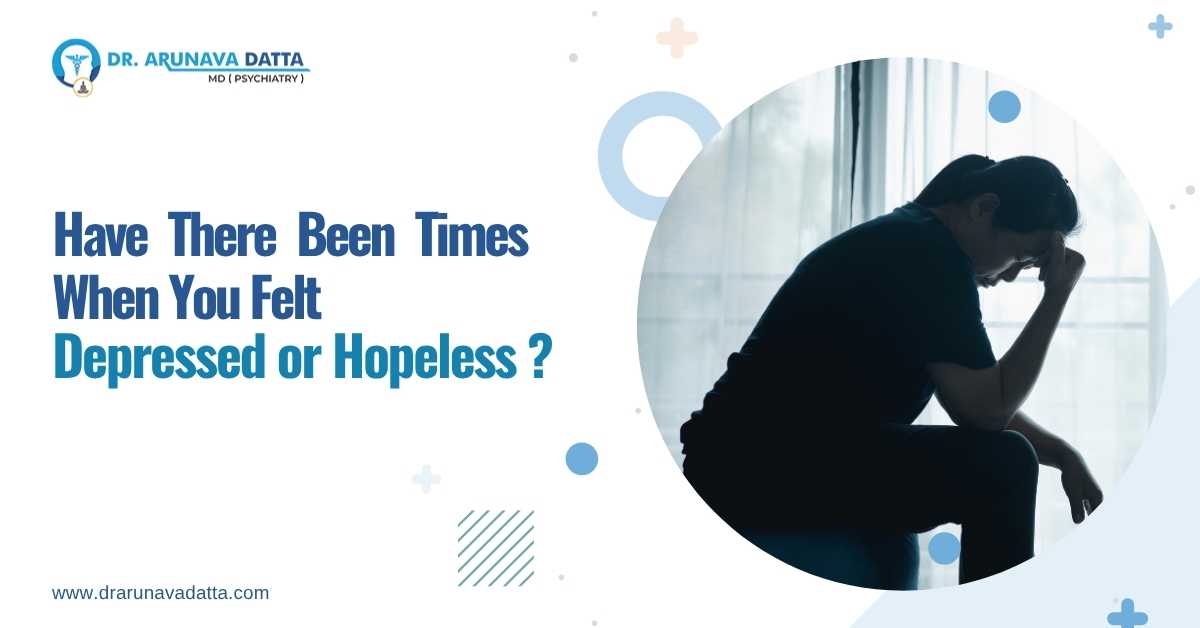
It's common to feel depressed following a tough life event. On the other hand, persistent changes in one’s mood, motivation, energy, sleep, hunger, focus, and interest in activities can be signs of depression.
Psychiatrists can evaluate the symptoms, consider potential causes, and talk about treatment options, which could include medication, lifestyle modifications, psychotherapy, or a mix of these.
Instead of waiting for a regular appointment, it is vital to provide immediate professional or emergency care to someone who is contemplating suicide or self-harm. You might seek guidance and help from the best psychiatrist doctor in Siliguri or in your city for optimal management.
Sudden or Extreme Mood Changes
Major mood fluctuations might occasionally suggest an underlying mental health problem. A person may have periods of exceptionally elevated or irritated mood, increased activity, decreased need for sleep, impulsive conduct, or episodes of emotional lows.
Psychiatrists assess the pattern, length, intensity, and significance of these changes. This can help distinguish between normal emotional changes and diseases like bipolar disorder, guiding treatment accordingly (fully patient-centric care).
Sleep Issues That Impact Everyday Life
Our mental health and sleep are intimately related. Concentration, mood, productivity, and general well-being get impacted by persistent insomnia, frequent waking, excessive sleeping, or significant changes in sleep habits.
While sleep disorders can have multiple causes, including physical health conditions and lifestyle factors, a psychiatrist can determine whether an underlying mental health concern may be contributing. Treating insomnia as an isolated issue may not be as beneficial as addressing the underlying reason why you have regular or frequent sleep disruption.
Panic Attacks and Intense Fear
Yes, sudden anxiety, a racing heart, shortness of breath, sweating, trembling, dizziness, or a sense of losing control are possible symptoms of a terrifying panic attack.
Recurrent panic attack sufferers may avoid particular locations or situations out of dread of another episode. A psychiatrist can review these symptoms and determine whether they may be related to panic disorder, another anxiety problem, medication or substance use, or a physical health concern requiring proper medical evaluation.

Having Trouble Managing Stress or Trauma
Major life events can put a person under a high level of emotional stress. Ongoing distress can result from a variety of traumatic life situations, including assault, accidents, interpersonal issues, financial challenges, workplace stress, and bereavement.
However, mental evaluation may be helpful if symptoms are severe or interfere with daily functioning. Symptoms of unmanageable trauma-related stress can include intrusive memories, avoidance, emotional numbness, anger, sleep difficulties, or heightened awareness.
Changes in Thinking, Perception, or Behavior
Certain behaviors, thoughts, etc., may pinpoint that there are huge shifts inside the person. Severe suspicion, confusion, hearing or seeing things that others do not, disorganized thinking, or trouble separating perceptions from reality are a few examples.
Issues with Focus and Everyday Living
A person's inability to concentrate does not always indicate that they have a particular mental illness. Focus can be impacted by stress, sleep deprivation, anxiety, depression, drug side effects, and physical health issues.
When issues with focus, organization, impulsivity, or time management have persisted and are interfering with everyday responsibilities, relationships, work, or education, some people seek help from a psychiatrist. Examining potential causes, such as disorders like attention-deficit/hyperactivity disorder (ADHD), can be aided by a professional evaluation.
Since these symptoms may have medical or psychological causes, they should be treated right away. Doctors can perform an evaluation and suggest the best kind of medical care.
Substance Use and Dependence
Seeking psychiatric help if alcohol, prescription drugs, or other substances start to have an impact on their health, relationships, finances, or work is a wise step.
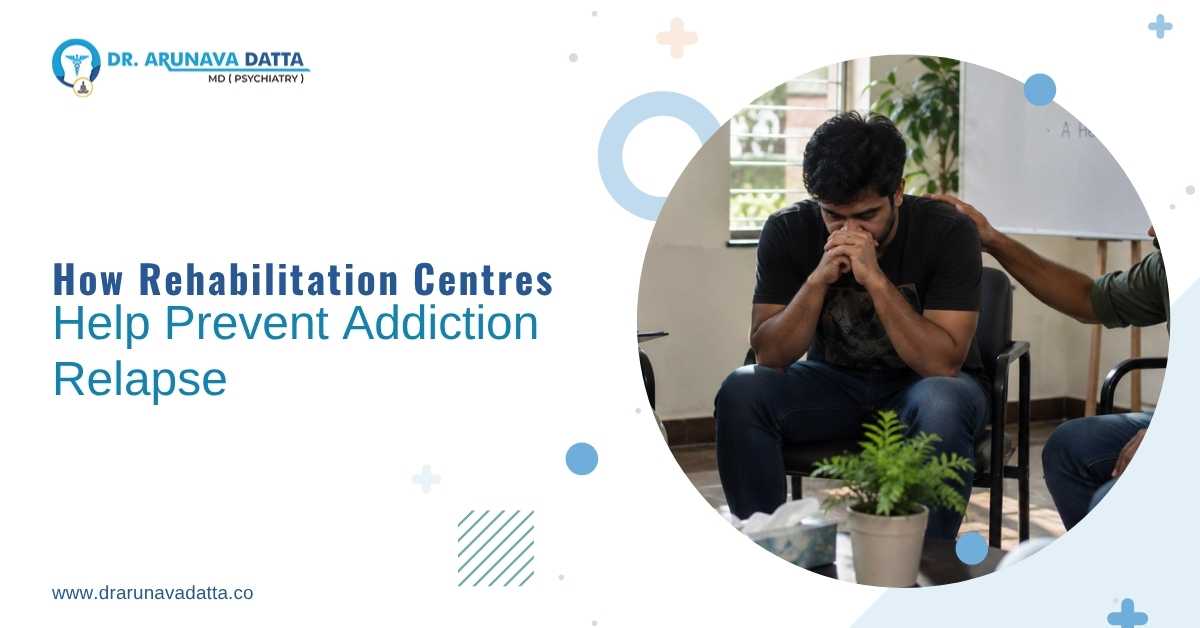
Psychiatric care can evaluate substance-use patterns as well as coexisting mental health concerns. Based on the individual's needs, treatment may include medication, psychotherapy, behavioral treatments, support groups, or referral to specialized addiction services.
Seeking aid is not a sign of personal failure. Substance use disorders are medical problems that can benefit from professional therapy and continued care.
Concerns About Meds or a Current Diagnosis
Also, a psychiatrist may be consulted when someone has a mental health diagnosis but wishes to reassess their treatment. Common concerns include pharmaceutical side effects, worries about whether treatment is effective, recurrence of symptoms, or uncertainty regarding a previous diagnosis.
A psychiatric consultation is a chance to discuss your symptoms, medical history, current medications, and treatment goals. Medication should normally be started, discontinued, or modified with adequate medical supervision.
Relationship, Work, or Academic Challenges
Sometimes a sudden decline in daily functioning, rather than a specific symptom, is also a sign you need to seek psychiatric care. Maintaining relationships, finishing tasks, attending classes, handling obligations, or engaging in formerly enjoyable activities can all be difficult for an individual.
When these issues occur alongside persistent emotional or behavioral changes, a psychiatric assessment is a must. This may help establish whether a treatable mental health concern is contributing. Receive guidance from the best psychiatrist in Siliguri on these concerns for optimal recovery and healthcare.
When You Should See a Psychiatrist Without Delay
When someone needs mental care, there is no one cutoff point. Taking duration, severity, and impact into account is a good place to start.
It might be worthwhile to seek professional assistance when there are the following symptoms:
- Persist or repeatedly return of a mental or emotional health concern
- Symptoms that interfere with relationships, employment, education, or self-care
- Life is becoming challenging to handle on your own
- Cause a great deal of distress
- Affect sleep, appetite, focus, or energy
- Unusual, hazardous, unsafe, risky, or dangerous behavior
- Add suicidal or self-harming thoughts
The appropriateness of a psychiatric evaluation can also be assessed by a primary care doctor, psychologist, therapist, or other healthcare specialist.
Final Words
People see psychiatrists for a great variety of reasons, including chronic anxiety and depression or emotional lows, sleep problems, mood swings, trauma-related symptoms, substance-use issues, and questions about current therapy.
If you have any kind of mental or emotional concerns, or you find yourself emotionally helpless, speak with a highly reliable psychiatrist in Siliguri City, Dr. Arunava Datta.