


What if your mood swings are signs that your mental health needs expert care, a surge of energy, or a fleeting emotional struggle? Everybody has highs and lows in their emotions. However, the experience may be more complicated than typical mood swings. This is when periods of exceptionally high energy alternate with episodes of profound despair, fatigue, or hopelessness.
Relationships, decision-making, work, education, sleep, and general quality of life may struggle with bipolar disorder. Timely bipolar disorder treatment in Siliguri or near you from a highly trusted doctor focuses on diagnostic accuracy and optimal treatment. While depressive symptoms may be misinterpreted as stress, burnout, or a brief setback, a period of enhanced energy may feel productive or exhilarating.
These behaviors may continue to interfere with daily living if proper assistance is not given. Early professional assistance helps people comprehend their symptoms, get a precise diagnosis, explore viable therapy alternatives, and create plans for controlling mood swings. The first step in replacing doubt with clarity and seeking treatment before symptoms become challenging to manage is understanding bipolar disorder.
Bipolar Disorder: Overview
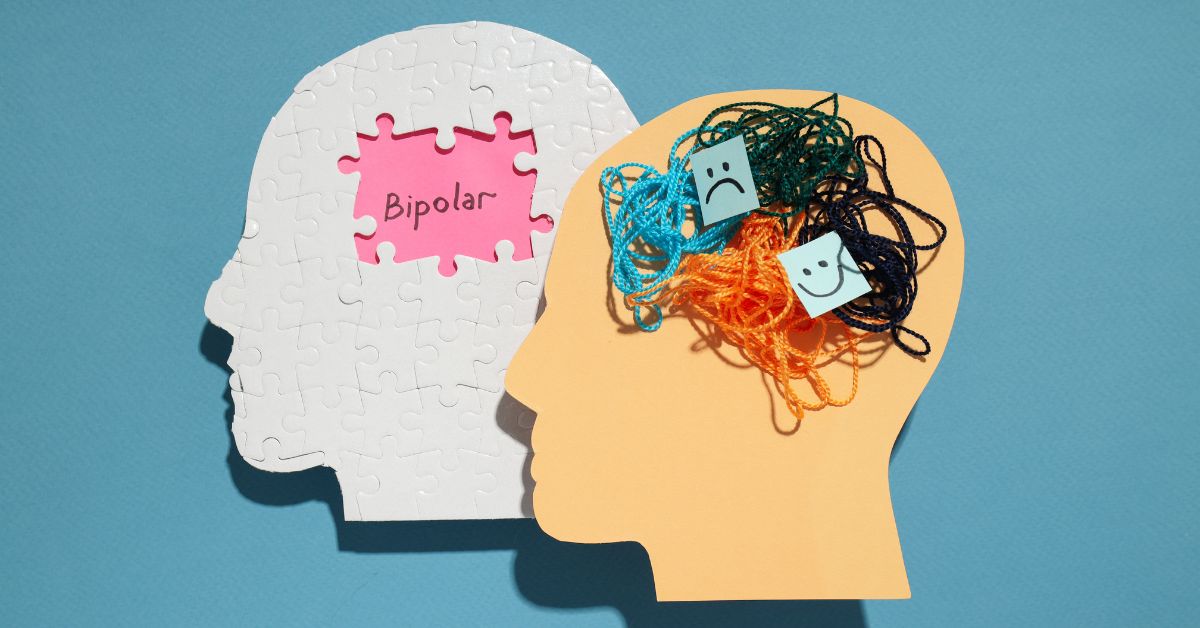
Major fluctuations in mood, energy, activity level, and focus are classic symptoms of bipolar illness. These shifts might happen in discrete bouts and are more severe than normal emotional ups and downs.
Bipolar disorder is known to cause manic or hypomanic episodes and, often, depression, and differences exist in the pattern and intensity of symptoms.
There are three key types:
- At least one manic episode is associated with bipolar I disorder, which can have a major impact on day-to-day functioning and occasionally necessitate hospitalization. And, there may also be depressive episodes.
- Without a history of complete manic episodes, bipolar II disorder is defined by hypomanic and significant depressive episodes.
- Recurrent episodes of hypomanic and depressive symptoms that do not fully fit the criteria for hypomanic or major depressive episodes are cyclothymic disorder.
Identifying Bipolar Disorder's Warning Signs
Because symptoms might be misinterpreted or mistaken for other causes, early detection is of great importance.
An Unusually High Level of Energy and Mood. Enhanced energy, enhanced self-confidence, quick speech, racing thoughts, decreased need for sleep, or extreme irritability are possible symptoms of manic or hypomanic episodes.
They might take on several tasks at once or feel incredibly productive. On the other hand, more severe episodes may result in conflict, troubled judgment, financial hazards, or rash actions.
Persistent Sadness or Loss of Interest. Prolonged sadness, poor energy, trouble focusing, feelings of worthlessness, changes in eating or sleep patterns, and poor interest in once-enjoyable activities are classic symptoms of depressive episodes.
These symptoms can make even basic chores seem onerous and interfere with daily responsibilities. You might receive optimal guidance for bipolar disorder from the best psychiatrist in Siliguri or near you.
Sleep Pattern Disturbances. Changes in sleep patterns may be a major concern, but many overlook them. While sadness can lead to sleeplessness or excessive sleeping, mania can drive someone to sleep very little without feeling exhausted.
Recurrent sleep disturbances should be treated by a specialist, especially if they are accompanied by ongoing or severe mood and energy swings.
Impulsive or Unusual Conduct. During mood episodes, a person may spend unusually, engage in riskier activities, get more agitated, or make decisions that deviate from their innate nature or usual behavior.
But these symptoms don’t mean the person has bipolar disorder for sure. The overall pattern, length, severity, and any alternative causes can all be evaluated by a mental health expert. To get an accurate diagnosis and fully personalized support, visit the best bipolar disorder doctor in Siliguri or near your location.
Why Seek Early Professional Support for Bipolar Disorder?
It Promotes Precise Diagnosis. Because its symptoms can be confused with those of sadness, anxiety, attention-related disorders, sleep disorders, and other medical diseases, bipolar disorder can be challenging to diagnose in the early stage.
Some people seek assistance during melancholy episodes without realizing that they have previously experienced high levels of energy or mood. A precise diagnosis lowers the possibility of complications and helps direct appropriate treatment.
It Assists in Lessening the Effects of Mood Episodes
Recurrent mood episodes can have an effect on relationships, education, work, financial stability, and personal safety if they are not properly treated.
Early assistance can help people detect warning signs, create regular habits, and build a strategy for reacting when symptoms start to change. For many people, treatment can lessen the number, intensity, or interruption of future episodes, but it cannot ensure that they won't happen.
It Makes Effective Treatment More Accessible
Treatment for bipolar disorder must be customized and may include medication, psychotherapy, education, and continuous observation. Based on the patient's diagnosis, symptoms, medical history, and reaction to treatment, a psychiatrist may suggest mood-stabilizing medication or other suitable medications.
Psychotherapy can help people develop useful coping mechanisms, manage stress, identify triggers, and enhance communication. Early professional involvement also makes it possible to examine and modify treatment when requirements, conditions, or symptoms change.
It Protects Relationships and Everyday Functioning
People's communication, dispute resolution, decision-making, and interpersonal relationships can be affected by ongoing mood swings.
People can learn to communicate their needs, recognize trends in their behavior, and set better boundaries with the help of a psychiatrist. Knowing the condition can help loved ones identify when further care might be required, prevent misunderstandings, and promote compassionate support.
It Promotes Stability Over Time
Rather than a one-time intervention, bipolar disorder often needs continuous management. Early assistance enables people to create a long-term care plan that changes as their requirements do.
Regular checkups, medication monitoring, therapy, regular sleep, physical activity, stress management, and monitoring mood or energy fluctuations are a few examples of this.
Final Words
To conclude, bipolar disorder can interfere with many facets of life, but it never defines a person's identity, skills, or prospects. People can strive for more stability and a more satisfying existence with the right support, understanding, and care.
For effective and compassionate bipolar disorder treatment in Siliguri, consult Dr. Arunava Datta. Long-term management can be enhanced, and preventable problems can be avoided by diagnosing the warning symptoms, getting an accurate health evaluation, and starting treatment when necessary.
FAQs
1. Is it possible to treat bipolar disorder?
Long-term stability may improve, and symptoms may heal with the use of medication, psychotherapy, and continuing professional supervision.
2. What are bipolar disorder's early symptoms?
Unusual emotional highs/ mood elevation, poor desire for sleep, racing thoughts, ongoing depression, and impulsive conduct are possible signs.
3. Who specializes in treating bipolar disorder?
A psychiatrist looks after this condition, from diagnosis and treatment to management.
4. What makes early diagnosis vital?
Early bipolar disorder evaluation can lessen the impact of mood episodes on day-to-day functioning, assist in defining symptoms, and direct appropriate treatment.
5. Is it possible for someone with bipolar disorder to lead a happy life?
Absolutely yes. With personalized care, continuous support, and successful self-management techniques, many people with bipolar disorder have happy, full lives.