



A psychiatrist treats mental health conditions like depression, anxiety, and schizophrenia, focusing on emotions and behavior. A neuropsychiatrist specializes in conditions where brain function affects behavior, such as brain injury, dementia, or epilepsy-related psychiatric symptoms. The key difference lies in their focus on the mind vs brain-behavior connection.
Over time, mental health care has changed dramatically. Now, there are better options for specialized professions that connect neurology and psychiatry. Due to their emphasis on the brain and behavior, psychiatrists and neuropsychiatrists are two such doctors who are sometimes mistaken.
They vary, nonetheless, in terms of training, therapeutic technique, and scope. For effective diagnoses and care, you might see the top neuro psychiatrist in Siliguri, Dr. Arunava Datta, or one near you. The right doctor will ensure the proper diagnosis, vital to treatment and long-term health.
Psychiatrist vs Neuropsychiatrist (Quick Comparison)
| Feature | Psychiatrist | Neuropsychiatrist |
|
Focus |
Mental Health |
Brain + Behavior |
| Conditions |
Depression, Anxiety |
Brain injury, Dementia |
| Tools |
Therapy, Medication |
MRI, Cognitive tests |
|
Approach |
Emotional |
Biological |
Overview of a Psychiatrist
A psychiatrist is a doctor who focuses on the diagnosis, treatment, and prevention of all types of mental health conditions. Emotional, psychological, and behavioral disorders are the main areas of attention for these experts/ doctors.

Training and Education
Psychiatrists in full:
- A medical degree (MBBS or comparable)
- A postgraduate psychiatric degree (MD or DPM)
- Clinical education in mental health services
These doctors can understand the biological, psychological, and social aspects that affect mental health thanks to their expertise.
Areas of Expertise
Many different mental health issues are treated by psychiatrists, such as:
- Anxiety disorders
- Personality disorders
- Substances abuse
- Stress amangent
- Geriatric psychiatry
- Pediatric psychiatry
Methods of Treatment
Psychiatrists prescribe:
- Medication (mood stabilizers, antipsychotics, and antidepressants)
- Talk therapy, or psychotherapy
- Interventions based on behavior
They usually use a holistic approach, treating the psychological and emotional sides of a patient's illness.
Overview of Neuropsychiatrist
A neuropsychiatrist is a specialist who focuses on the connection between your brain's physical structure and mental health. And, this area is where neurology and psychiatry converge.
Training and Education
Typically, your neuropsychiatrist:
- Gets a medical degree
- Gets a psychiatric education
- Becomes more specialized in behavioral neurology or neuropsychiatry
So, they are able to understand how anatomical abnormalities, neurological conditions, and brain injuries impact behavior and cognition.
Areas of Expertise
Conditions with both neurological and mental aspects are treated by neuropsychiatrists, such as:
- TBI, or traumatic brain injury
- Behavioral problems associated with epilepsy
- Alzheimer's disease and dementia
- Parkinson's disease accompanied by mental symptoms
- Cognitive changes following a stroke
- Neurodevelopmental conditions
Methods of Treatment
Basically, they use the following techniques to treat neuropsychiatric conditions:
- Analysis of neuroimaging (MRI, CT images)
- Behavioral and cognitive evaluations
- Medications that address both mental and neurological disorders
- Rehabilitation strategies
They place a strong focus on the biological aspects of cognition and behavior.
Key Differences Between Psychiatrist and Neuropsychiatrist – What You Need to Know
For example, a person experiencing panic attacks without any neurological issues should consult a psychiatrist. However, someone facing memory loss after a head injury may benefit more from a neuropsychiatrist.
Practice Scope
Psychiatrists do not always focus on underlying neurological impairment. Instead, they largely treat mental health conditions. On the other hand, neuropsychiatrists focus on disorders when behavior is directly affected or changed by a brain malfunction.
Area of Focus
Psychiatrist: Disorders of the mind and emotions
Neuropsychiatrist: Relationships between the brain and behavior
Conditions Treated
While a neuropsychiatrist treats complicated illnesses including both neurological and mental symptoms, a psychiatrist typically addresses mood and anxiety spectrum disorders.
Diagnostic Tools
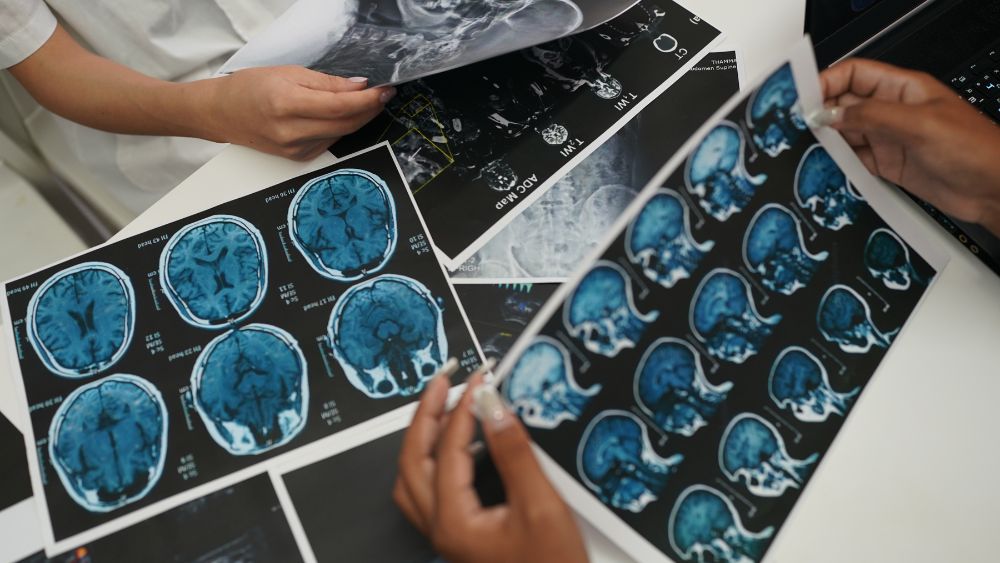
Your psychiatrists rely more on psychological tests and clinical interviews. Here, neuropsychiatrists mostly use standard tools, such as cognition testing and brain imaging.
Ways of Treatment
For mental health, psychiatrists prioritize counseling and medicines (individually or in combination). Your neuropsychiatrist here combines mental health services with neurological rehabilitation.
Patient Profile
Psychiatrists may treat patients with solely psychological problems. People who visit neuropsychiatrists suffer from neurological disorders or brain injuries, or their psychiatrist or general physician refer so.
If someone has anxiety and sleep problems, a psychiatrist can help. But if these symptoms appear along with epilepsy or Parkinson’s disease, a neuropsychiatrist is the better choice.
Similarities Between the Two
Psychiatrists and neuropsychiatrists differ; however, they are similar in a few ways:
- Both can write prescriptions.
- Both identify mental health issues.
- Both seek to enhance the quality of life for patients.
These doctors collaborate as members of a multidisciplinary team or for a more complicated health scenario.
When Should You See a Psychiatrist?
You ought to think about seeing a psychiatrist if you notice:
- Prolonged sadness or depression
- Panic attacks or anxiety
- Variations in mood
- Delusions or hallucinations
- Problems with substance abuse
- Having trouble adjusting to everyday life
For general mental health issues, psychiatrists are mostly the initial point of contact. You might see the best psychiatrist in Siliguri or near you if your psychiatrist or primary care doctor refers you.
When Should You See a Neuropsychiatrist?
If symptoms include both neurological and mental aspects, a neuropsychiatrist might be more suitable, such as:
- Confusion or memory loss
- Changes in behavior following a head injury
- Illness-related personality changes
- Cognitive deterioration
- Neurological disorders with psychiatric symptoms
They are especially useful when a neurological reason is suspected or when conventional psychiatric care is ineffective.
Role in Modern Healthcare (Overview)
In modern medicine, the divide between psychiatry and neuropsychiatry is becoming more and more crucial. The need for experts who know both neurological and psychiatric elements of the brain is increasing as research on the subject becomes more comprehensive.
In easy words, neuropsychiatry is useful in:
- Rehab facilities
- Programs for stroke recovery
- Facilities for dementia care
- Brain injury treatment units
Psychiatrists are still crucial in the following areas:
- Hospitals and mental health clinics
- Individual practice
- Programs for community health
Comparison of Career Paths
Psychiatrist
- Mental health
- Training time is 10 – 12 years
- Workplaces: clinics, hospitals, and private practices
Neuropsychiatrist
- Brain-behavior disorders
- 10 to 13 years of training
- Workplaces: Research institutes, specialized centers
Difficulties with Differentiation
Numerous disorders, including schizophrenia and depression, may have neurological components. Similarly, psychological symptoms are generally associated with neurological disorders.
Patients may find it challenging to choose the appropriate specialist because of this overlap. Referrals in these situations may be guided by a neurologist in Siliguri or a general practitioner.
Integrated Care – Why Vital?

A more integrated approach to healthcare is emerging, in which doctors work together to deliver all-inclusive care. Collaboration between psychiatrists and neuropsychiatrists is very beneficial for patients with complex disorders.
For instance:
- A stroke patient may require a psychiatrist for depression and a neuropsychiatrist for cognitive rehabilitation.
- Both neurological and mental care may be necessary for an epileptic patient.
- Treating the mind and brain holistically is ensured via integrated treatment.
Misconceptions Regarding Neuropsychiatry and Psychiatry
Myth: They Are Similar
Fact: Even if there are similarities, they are separate specialties with different training and areas of emphasis.
Myth: Psychiatrists Are Replaced by Neuropsychiatrists.
Fact: In complicated cases, neuropsychiatrists support psychiatrists rather than taking their place.
Myth: Neuropsychiatry Is Only Needed in Severe Cases.
Fact: Neuropsychiatric support may be helpful even for minimal neurological issues.
Neuropsychiatry will expand as
- Improved brain-based diagnostics.
- The growth of personalized care.
The impact of neurological factors on mental health is becoming more widely recognized. Plus, psychiatric care will develop further, including more biological knowledge in therapy.
Final Words
A psychiatrist and a neuropsychiatrist differ in their diagnoses, management, areas of specialization, and problems they treat. In easy words, your symptoms and medical history will determine which specialist is best for you. A psychiatrist is mostly the best person to consult for general mental health issues. Now, a neuropsychiatrist might offer more specialized treatment if symptoms are connected to neurological conditions or brain damage.Seek expert support and advice for optimal recovery from your doctor.
Reviewed By
Dr. Arunava Datta is a Consultant Neuropsychiatrist with MBBS and MD in Psychiatry.
He trained in Neurology at IHBAS, Delhi, and completed his MD from Gauhati Medical College.
He has conducted government-funded research on dementia and published work on anxiety, depression, and behavioral disorders.
This content is for educational purposes only and should not be considered medical advice.
Comments (0)