

A panic attack can feel sudden, intense, and frightening. Your heart may start beating fast, your breathing may become shallow, your chest may feel tight, and your mind may tell you that something terrible is about to happen. Many people feel as if they are losing control or having a serious medical emergency.
But a panic attack is not just “overthinking.” It is a real brain-body response where the brain’s fear system becomes highly active, even when there may be no actual danger. Understanding what happens in the brain during a panic attack can help reduce fear and encourage the right treatment.
If panic attacks, anxiety, fear, or sleep problems are affecting your daily life, consulting an experienced Neuro Psychiatrist in Siliguri, like Dr. Arunava Datta, can help you receive proper evaluation and care.
What Is a Panic Attack?
A panic attack is a sudden episode of intense fear or discomfort that usually reaches its peak within a few minutes. It may happen unexpectedly or may be linked to stress, trauma, crowded places, health anxiety, or emotional pressure.
Common symptoms include:
- Fast or pounding heartbeat
- Shortness of breath
- Chest tightness
- Sweating
- Trembling or shaking
- Dizziness or lightheadedness
- Nausea or stomach discomfort
- Tingling in hands or lips
- Fear of losing control
- Fear of dying
- A strong urge to escape
Although panic attacks feel scary, they are usually not physically harmful. However, repeated panic attacks can affect confidence, sleep, work, relationships, and quality of life.
Why Does a Panic Attack Feel So Real?
A panic attack feels real because the body is actually reacting. The brain activates the same emergency system it uses during real danger. This is called the fight-or-flight response.
During this response, the brain sends danger signals, stress hormones are released, and the body prepares to fight the threat or escape from it. During a panic attack, this system may become active even when there is no real threat.
That is why symptoms like fast heartbeat, breathlessness, sweating, and shaking feel so intense.
The Amygdala: The Brain’s Fear Alarm
The amygdala is a small part of the brain that helps detect fear and danger. During a panic attack, the amygdala may become overactive and misread a normal body sensation, thought, or situation as dangerous.
For example, a slightly fast heartbeat may feel like a serious problem. A crowded place may feel unsafe. A stressful thought may feel like a real threat.
In simple words, the amygdala works like a smoke alarm. During a panic attack, it may ring loudly even when there is no fire.
The Hypothalamus: Activating Survival Mode
Once the amygdala sends a danger signal, the hypothalamus becomes active. It works like a command centre between the brain and body.
The hypothalamus activates the body’s stress response and signals the release of stress hormones such as adrenaline and cortisol. These hormones prepare the body for emergency action.
This response is helpful during real danger. But during a panic attack, the same survival mode turns on even when the person is physically safe.
Sympathetic Nervous System and Physical Symptoms
The sympathetic nervous system controls automatic emergency reactions in the body. It affects heart rate, breathing, sweating, muscle tension, and digestion.
When it becomes active during a panic attack, it can cause:
- Fast heartbeat
- Rapid breathing
- Sweating
- Muscle tightness
- Shaking
- Dry mouth
- Stomach discomfort
- Chest tightness
This explains why panic attacks feel so physical. The symptoms are real, but in most cases, they are caused by the body’s fear response rather than actual danger.
Why Logical Thinking Becomes Difficult
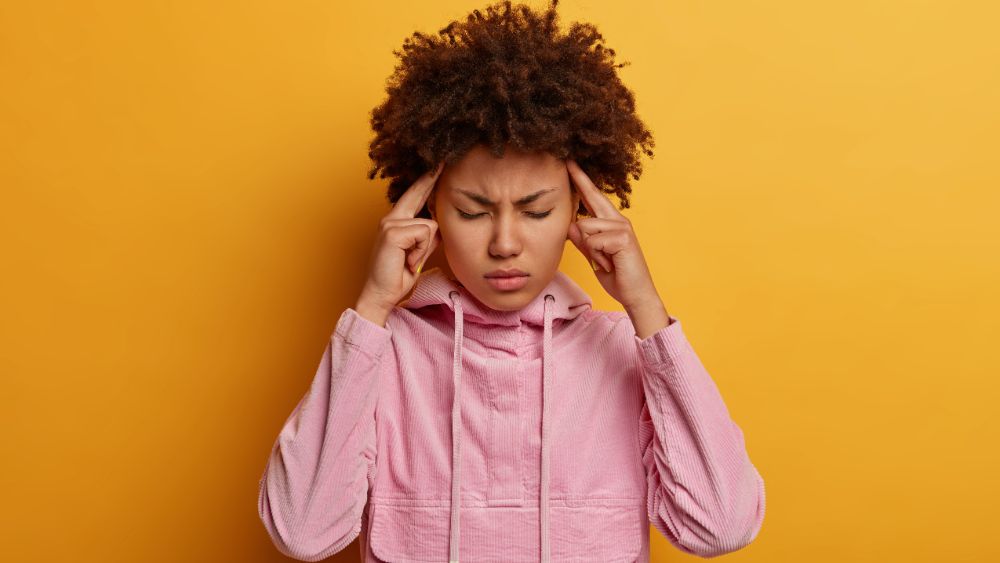
The prefrontal cortex is the part of the brain responsible for logical thinking, decision-making, and emotional control.
When you are calm, it helps you understand whether a situation is truly dangerous. But during a panic attack, the fear system becomes very strong. The amygdala takes over, and the prefrontal cortex may not calm the fear response quickly.
This is why a person may think:
- “Something bad is going to happen.”
- “I am losing control.”
- “I may faint.”
- “I may die.”
- “I need to escape.”
Even if the person knows they are safe, fear may feel stronger than logic in that moment.
Role of Memory and the Hippocampus
The hippocampus is involved in memory and learning. It helps the brain connect present situations with past experiences.
If someone had a panic attack in a crowded market, the brain may later feel unsafe in similar crowded places. If panic happens while travelling, future travel may trigger fear.
This is how the brain learns fear patterns. Over time, certain places, sensations, or situations may become panic triggers. With treatment, the brain can also learn new safety responses.
Role of Neurotransmitters
Neurotransmitters are chemical messengers that help brain cells communicate. In panic attacks and anxiety, some neurotransmitters may play an important role.
Important neurotransmitters include:
- Serotonin: Helps regulate mood, anxiety, and sleep
- GABA: Helps calm excessive brain activity
- Norepinephrine: Increases alertness and arousal
- Dopamine: Supports emotional processing and motivation
Changes in these brain chemicals may make some people more sensitive to anxiety and panic symptoms. A psychiatrist can assess these factors and suggest suitable treatment if needed.
Why Panic Attacks Happen Suddenly
Panic attacks may happen suddenly because the brain’s fear system can react before conscious thinking begins.
Possible reasons include:
- Stress is building up silently
- Poor sleep
- Excess caffeine
- Emotional pressure
- Past trauma
- Health anxiety
- Hormonal changes
- Ongoing anxiety
- Sensitivity to body sensations
Sometimes, the trigger is clear. Other times, it may be internal, such as a thought, memory, or small physical sensation.
The Panic Cycle
A panic attack often follows a cycle:
- A body sensation appears, such as a fast heartbeat.
- The brain sees it as dangerous.
- Fear increases.
- Stress hormones are released.
- Physical symptoms become stronger.
- The person becomes more afraid.
- Panic intensifies.
For example, a person may notice a fast heartbeat and think, “What if something is wrong with my heart?” This fear increases adrenaline, which makes the heartbeat even faster. This creates a loop where fear feeds fear.
Why Some People Are More Prone to Panic Attacks
Some people may be more likely to experience panic attacks because of biological, emotional, or lifestyle factors.
Common risk factors include:
- Family history of anxiety or panic disorder
- Long-term stress
- Past trauma or emotional shock
- Poor sleep
- Excess caffeine or stimulants
- Medical conditions such as thyroid problems or low blood sugar
- Avoiding places due to fear of panic
- Ongoing anxiety or depression
A proper evaluation helps identify the possible cause and plan the right treatment.
What Happens After a Panic Attack?
After a panic attack, the body slowly returns to a calmer state. The parasympathetic nervous system helps reduce heart rate, relax muscles, and normalise breathing.
However, many people feel tired, shaky, emotional, or drained after a panic attack. Some may also worry about when the next attack will happen.
This fear of another attack can increase anxiety and avoidance behaviour. That is why repeated panic attacks should not be ignored.
What to Do During a Panic Attack

During a panic attack, remind yourself that the symptoms are caused by the body’s fear response and will usually pass.
You can try these steps:
- Sit in a safe place
- Take slow, gentle breaths
- Breathe in through your nose and exhale slowly
- Focus on objects around you
- Remind yourself: “This is a panic attack. It will pass.”
- Avoid fighting the symptoms aggressively
- Sip water slowly
- Call someone you trust if needed
If symptoms are severe, new, unusual, or include severe chest pain, fainting, or breathing difficulty, seek urgent medical help.
How a Neuro Psychiatrist in Siliguri Can Help
A Neuro Psychiatrist in Siliguri can help by evaluating the connection between the brain, emotions, behaviour, and physical symptoms.
Dr. Arunava Datta can help patients with panic attacks by:
- Understanding symptoms in detail
- Identifying triggers
- Checking for anxiety, depression, trauma, or sleep issues
- Explaining the brain-body connection
- Suggesting therapy, medication, or lifestyle changes when needed
- Helping reduce fear of future attacks
- Supporting long-term emotional stability
If you are looking for the Best psychiatrist in Siliguri for panic attacks, anxiety, stress, or emotional health concerns, Dr. Arunava Datta can provide expert evaluation and personalised treatment guidance.
Conclusion
A panic attack happens when the brain’s fear system becomes overactive. The amygdala sends danger signals, the hypothalamus activates stress hormones, the sympathetic nervous system creates physical symptoms, and logical thinking becomes temporarily difficult.
Although panic attacks feel frightening, they are treatable. With proper diagnosis, therapy, lifestyle support, and medical guidance, many people can reduce panic symptoms and regain confidence in daily life.
If repeated panic attacks, anxiety, fear, or sleep problems are affecting your life, consult Dr. Arunava Datta, a trusted Neuro Psychiatrist in Siliguri, for expert care and treatment support.
Medically Reviewed By
Dr. Arunava Datta
Neuro Psychiatrist in Siliguri
Disclaimer - This article is for educational purposes only and should not replace professional medical advice.