

Access to the right treatment and resources is invaluable, and choosing the right rehabilitation centre is no exception. Selecting a rehabilitation centre in Siliguri or any other location is a crucial decision that can significantly influence the recovery journey.
The right rehabilitation facility should provide appropriate treatment, professional guidance, and a supportive environment. It is important to carefully compare different centres and their treatment programmes before making a decision. Understanding what to look for can help you or your loved one make an informed and confident choice.
A Rehabilitation Centre Overview
A rehabilitation centre is a specialised facility where individuals receive structured support to recover from a medical condition, addiction, mental health concern, or physical disability.
Depending on the type of facility, rehabilitation may include medical care, counselling, psychotherapy, behavioural interventions, physical rehabilitation, or a combination of these services.
Addiction treatment and psychiatric rehabilitation programmes often focus on both the underlying causes and current symptoms of a condition. Their goal is to help individuals manage triggers, improve daily functioning, develop healthier coping mechanisms, and work towards long-term recovery.
Determine Your or Your Loved One's Rehabilitation Needs First
Before comparing rehabilitation centres, it is important to identify the type of treatment required. Recovery programmes are not one-size-fits-all, which makes this step essential. Consulting a qualified healthcare professional can help determine the most appropriate level of care.
For addiction rehabilitation, consider whether treatment is needed for:
- Alcohol or drug dependency
- Prescription medication misuse
- Multiple substance use
- Relapse prevention
- Addiction-related behavioural or psychological issues
- Recovery following detoxification
Similarly, psychiatric rehabilitation may require specialised support for conditions such as depression, anxiety disorders, bipolar disorder, psychotic disorders, or other mental health concerns. Choosing a facility experienced in managing the individual's specific condition is essential for effective treatment.
Compare the Different Types of Rehabilitation Programmes
Different rehabilitation centres offer different levels of care. While some facilities specialise in a specific area, others provide multiple treatment options. Understanding the available programmes can help determine whether they match the individual's needs.
Residential or Inpatient Rehabilitation
Inpatient rehabilitation involves staying at the facility for a designated period. This approach provides a structured and supervised environment that supports recovery by reducing exposure to triggers, unhealthy environments, and stressful situations.
Residential programmes may include:
- Comprehensive medical and psychiatric assessments
- Individual therapy sessions
- Group counselling
- Behavioural therapy
- Medication management when clinically appropriate
- Structured daily routines and therapeutic activities
- Relapse prevention planning
- Family involvement
- Discharge and aftercare planning
Outpatient Rehabilitation
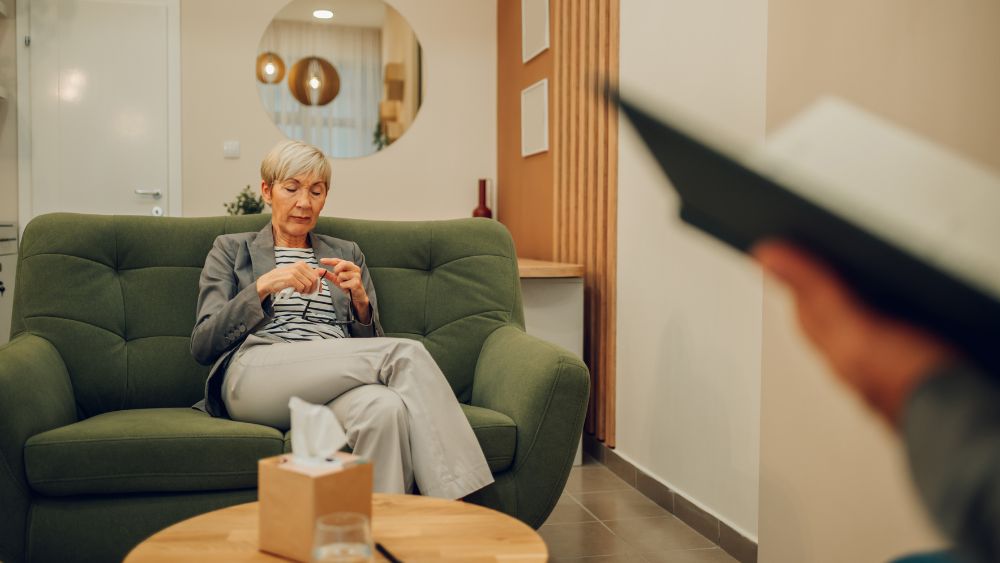
Outpatient rehabilitation allows individuals to live at home while attending scheduled treatment sessions.
This option may be appropriate for people who are stable enough to manage their daily responsibilities while participating in therapy and rehabilitation programmes. The appropriate level of care should always be determined by clinical needs rather than convenience alone.
Evaluate the Treatment Approach
When comparing rehabilitation centres, it is important to understand how treatment is planned and delivered.
A quality rehabilitation programme begins with a thorough assessment rather than applying the same treatment plan to every individual. Treatment should be tailored according to the person's condition, medical history, physical health, psychological needs, family circumstances, and recovery goals.
For addiction treatment, determine whether the centre provides behavioural, psychological, and medical support. For psychiatric rehabilitation, ask whether mental health professionals are actively involved in assessment, treatment, and follow-up care.
You should also ask how treatment progress is monitored and whether the centre follows evidence-based practices.
Verify the Qualifications of the Treatment Team
The professionals providing care play a significant role in the quality and effectiveness of rehabilitation.
Before selecting a facility, find out who will be involved in the treatment process. Depending on the programme, the treatment team may include:
- Psychiatrists
- Clinical psychologists
- Therapists or counsellors
- Doctors and nurses
- Rehabilitation or occupational therapists
- Social workers
- Addiction specialists
Ask about their qualifications, experience, and level of involvement in treatment planning. If medication management or psychiatric care may be necessary, ensure the centre has qualified professionals available to provide these services.
Understand the Treatment Process
Understanding what happens during rehabilitation can reduce uncertainty and help individuals prepare for treatment.
Although programmes vary, most rehabilitation centres follow a structured process.
Assessment
The clinical team evaluates the individual's physical, psychological, behavioural, and social needs.
Treatment Planning
A personalised treatment plan is developed based on the assessment findings.
Active Treatment
This stage may include counselling, psychotherapy, behavioural interventions, medication management, group therapy, and other appropriate therapeutic services.
Progress Monitoring
The treatment team regularly reviews progress and adjusts the treatment plan whenever necessary.
Discharge Planning
Before leaving the facility, individuals should receive a structured plan for continuing care and recovery.
Aftercare
Ongoing support may include follow-up consultations, counselling, support groups, family involvement, and other services designed to maintain progress.
Before admission, ask the rehabilitation centre to explain each stage of its treatment process. A transparent facility should be able to clearly outline how care is delivered.
Evaluate the Centre's Addiction Recovery Approach
Recovery from addiction involves much more than simply stopping substance use. Long-term recovery often requires identifying triggers, addressing psychological concerns, rebuilding relationships, developing healthy coping mechanisms, and learning relapse-prevention strategies.
When comparing addiction rehabilitation facilities, consider asking:
- Is addiction treated as a medical condition requiring ongoing care?
- Are co-occurring mental health conditions assessed and managed?
- Is family counselling available?
- Does the programme include relapse-prevention planning?
- Is support available after residential treatment ends?
- How are treatment outcomes measured?
- How does the centre respond if an individual experiences a setback during recovery?
A strong rehabilitation programme focuses on sustainable recovery rather than short-term results. Consulting an experienced specialist, such as Dr. Arunava Datta, can help individuals better understand the available treatment options.
Consider Dual-Diagnosis and Mental Health Care
Mental health conditions and addiction often occur together. For example, an individual may experience anxiety, depression, trauma-related concerns, or other psychiatric conditions alongside substance-use issues.
For this reason, it is important to determine whether the rehabilitation centre can assess and treat co-occurring mental health and substance-use disorders. Integrated treatment can play a vital role in improving recovery outcomes when multiple conditions are interconnected.
Examine the Facilities and Environment
The physical environment can influence comfort and engagement during recovery. When evaluating a rehabilitation centre, consider the following factors:
- Cleanliness and hygiene
- Safety and security
- Privacy and accommodation arrangements
- Therapy and counselling spaces
- Common areas
- Outdoor or recreational facilities
- Availability of healthcare services
- Visiting policies
- Staff accessibility
However, attractive amenities should not be the primary factor when choosing a rehabilitation centre. Professional care, experienced clinicians, and evidence-based treatment are far more important than luxury facilities.
Also Read:-
What Are The Different Types of Stress?
How Families Can Support a Loved One During Recovery
Early Signs of Depression Most People Ignore
Do Not Overlook Family Involvement and Aftercare

Recovery does not end when a person leaves a rehabilitation facility. Ongoing support and monitoring are often essential for maintaining long-term progress.
Ask whether the centre provides:
- Family education programmes
- Family therapy sessions
- Follow-up consultations
- Relapse-prevention support
- Access to local recovery resources
- Continuing therapy options
- Support groups
- Structured discharge planning
A well-designed aftercare programme can help individuals transition from a structured rehabilitation setting back into daily life while maintaining recovery and overall wellbeing.
Final Words
Choosing a rehabilitation centre involves more than selecting a facility. It requires careful evaluation of the centre's ability to provide personalised, professional, and ongoing care that meets the individual's unique needs.
By understanding treatment options, evaluating clinical expertise, reviewing rehabilitation programmes, and considering long-term support services, individuals and families can make more informed decisions about recovery. Recovery is a journey that requires the right guidance, treatment, and support system. Whether you are seeking help for addiction, mental health concerns, or psychiatric rehabilitation, Dr. Arunava Datta provides evidence-based care tailored to individual recovery goals.
Book an appointment with Dr. Arunava Datta today and take the first step towards long-term recovery and improved well-being.
Medical Disclaimer: The information provided in this article is intended for educational and informational purposes only and should not be considered medical advice, diagnosis, or treatment.