

Nowadays, stress has become a common part of everyday life, but it affects everyone differently. Understanding the different types of stress helps you recognize their impact and know when to take action or consult a psychiatrist in Siliguri.
Over time, stress can affect your daily life and make even simple tasks difficult. Early consultation can help prevent long-term mental and physical health problems.
Why Early Mental Health Support Matters
Stress is a normal part of life, but it should not be ignored when it starts affecting your daily routine, sleep, work, or relationships. While short-term stress often improves once the situation changes, long-term stress can affect both your physical and mental health.
A qualified psychiatrist can determine whether your symptoms are caused by stress alone or whether they are linked to conditions such as anxiety, depression, or sleep disorders. Early diagnosis allows appropriate treatment to begin before the condition becomes more severe.
Dr. Arunava Datta, an experienced psychiatrist in Siliguri, provides personalized assessment and treatment plans based on each patient's symptoms, medical history, and overall mental well-being. His approach focuses on helping patients manage stress effectively while improving their quality of life.
What Are the Reasons for Experiencing Stress?
Work or Study Pressure
Work or study pressure has become common in today's busy lifestyle. Working or studying continuously without taking proper breaks can increase mental stress and reduce productivity.
Financial Problems
Money-related concerns, such as increasing expenses, debt, or uncertainty about income, can create constant worry and make it difficult to manage daily responsibilities.
Major Life Changes
Major life changes, such as moving to a new place, starting a new job, getting married, or losing a loved one, can create stress because they require emotional and practical adjustment.
Lack of Sleep and Rest
Not getting enough quality sleep or proper rest can make it more difficult to manage daily responsibilities and increase stress levels.
Poor Time Management
When tasks continue to pile up due to poor planning or organization, they can lead to frustration, pressure, and increased stress.
Social Pressure
When people compare themselves with others or try to meet unrealistic expectations, it can lower self-confidence and increase stress. In some cases, prolonged emotional stress may increase the risk of depression, making it important to consult a depression doctor in Siliguri if symptoms continue.
Can Stress Lead to Depression?

Yes. Long-term or unmanaged stress can increase the risk of developing depression in some people. Although stress and depression are different conditions, ongoing stress may affect brain chemicals, sleep quality, energy levels, and emotional well-being over time.
Watch for the following signs if stress continues for several weeks:
- Feeling sad or empty most of the day
- Losing interest in activities you once enjoyed
- Feeling tired most of the time
- Changes in sleep or appetite
- Difficulty concentrating
- Feeling hopeless or worthless
- Withdrawing from family and friends
If these symptoms continue for more than two weeks or begin affecting your daily life, it is important to seek professional help. Consulting a depression doctor in Siliguri can help identify the underlying cause and provide appropriate treatment through counselling, lifestyle changes, psychotherapy, or medication when necessary.
Early treatment often leads to better recovery and helps prevent symptoms from becoming more severe.
Stress vs Anxiety: What Is the Difference?
Many people use the terms stress and anxiety interchangeably, but they are not the same. Stress is usually a response to a specific situation or challenge, whereas anxiety can continue even when there is no clear reason for feeling worried.
| Stress | Anxiety |
|---|---|
| Usually caused by a specific situation, such as work pressure, exams, or financial problems | May occur without a clear trigger and can continue even after the stressful situation has ended |
| Often improves once the problem is resolved | May persist for weeks or months if left untreated |
| Can cause headaches, muscle tension, tiredness, and irritability | Can cause excessive worry, panic, restlessness, difficulty concentrating, and sleep problems |
| Usually temporary | Can become a long-term mental health condition |
| Often improves with rest, relaxation, and healthy coping strategies | May require professional treatment, such as counselling, therapy, or medication |
While occasional stress is a normal part of life, persistent anxiety can interfere with your work, relationships, and daily activities. If you experience constant worry, panic attacks, difficulty sleeping, or symptoms that do not improve over time, it is important to seek professional help.
Different Types of Stress and Their Symptoms
Many different types of stress can affect a person. Let's understand each type along with its common symptoms.
1. Acute Stress
Acute stress is a short-term type of stress that occurs due to sudden challenges, unexpected situations, or temporary pressure. It is one of the most common forms of stress.
Common symptoms include:
- Fast heartbeat
- Feeling anxious or worried
- Muscle tension
- Headache
- Difficulty concentrating
- Irritability or mood changes
- Temporary sleep problems
2. Chronic Stress
Chronic stress develops when stressful situations continue for a long time without relief. It is often linked to financial problems, excessive workload, relationship difficulties, or long-term personal challenges.
Common symptoms include:
- Constant tiredness or low energy
- Feeling overwhelmed regularly
- Difficulty sleeping
- Lack of motivation
- Frequent mood changes
- Difficulty making decisions
- Feeling helpless or unable to cope
3. Eustress (Positive Stress)
Eustress is a positive form of stress that keeps you motivated, focused, and productive. It often occurs when facing exciting opportunities or meaningful challenges.
Common signs include:
- Increased motivation
- Better focus and concentration
- Feeling excited about challenges
- Improved performance
- Sense of achievement after completing a task
4. Distress (Negative Stress)
Distress is a harmful type of stress that occurs when pressure becomes overwhelming and difficult to manage. It can affect emotional well-being, productivity, and relationships.
Common symptoms include:
- Feeling nervous or constantly worried
- Feeling sad most of the time
- Frustration and anger
- Difficulty relaxing
- Reduced concentration
- Feeling emotionally exhausted
- Changes in sleep patterns
5. Episodic Acute Stress
This type of stress commonly affects people who frequently worry, take on too many responsibilities, or constantly feel rushed.
Common symptoms include:
- Frequent anxiety
- Feeling pressured all the time
- Irritability
- Regular headaches
- Muscle tension
- Difficulty relaxing
- Negative thoughts
6. Emotional or Physical Stress
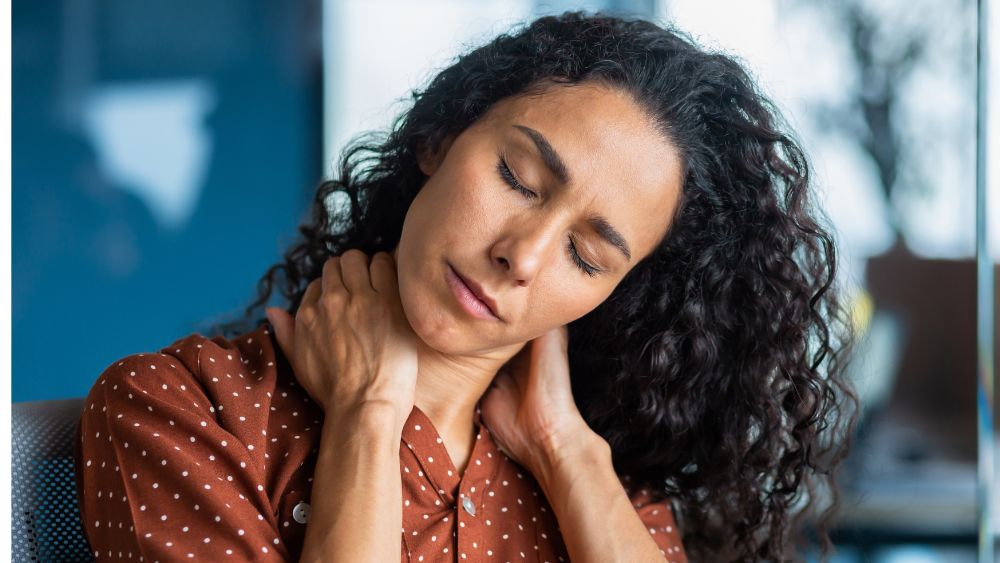
This type of stress affects both the body and mind during challenging situations such as illness, fear, grief, or emotional difficulties.
Common symptoms include:
- Body pain or muscle tension
- Fatigue or weakness
- Frequent headaches
- Difficulty sleeping
- Changes in appetite
- Reduced energy levels
- Feeling anxious, upset, or overwhelmed
- Frequent mood changes
- Overthinking
- Difficulty controlling emotions
- Feeling lonely or isolated
- Loss of interest in daily activities
- Feeling mentally exhausted
Also Read:-
How A Psychiatrist Can Help You Overcome Depression
I Feel Ashamed of My Depression – What Should I Do?
At the End
Understanding the different types of stress is the first step toward managing it effectively. While occasional stress is a normal part of life, ongoing stress should not be ignored, especially when it begins to affect your sleep, work, relationships, or emotional well-being.
If stress is becoming difficult to manage or is affecting your daily activities, seeking professional help can make a significant difference. Dr. Arunava Datta, a trusted psychiatrist in Siliguri, provides comprehensive evaluation and personalized treatment for stress, anxiety, depression, and other mental health conditions. Early support can help you regain emotional balance, improve your quality of life, and maintain better long-term mental health.

