

Anxiety is not simply an uneasiness. It is an ongoing condition of excessive awareness that can subtly affect almost every aspect of life. This creates a difficult-to-break cycle that causes you sleepless nights and unproductive days. Sleep is one of the areas it affects, and insufficient sleep worsens anxiety or low mood.
Effective anxiety care and management will help you balance your life again. And it begins with an understanding of how anxiety impacts sleep and day-to-day functioning. Speaking to a doctor will be helpful, and you might see the top psychiatrist in Siliguri, such as Dr. Arunava Datta, for anxiety care.
Understanding Anxiety in Simple Words
Anxiety is a normal stress reaction that we all have. When in moderation, it can help you stay vigilant before a crucial presentation or watchful of risks. However, worry disrupts daily life when it becomes overwhelming, illogical, or ongoing.
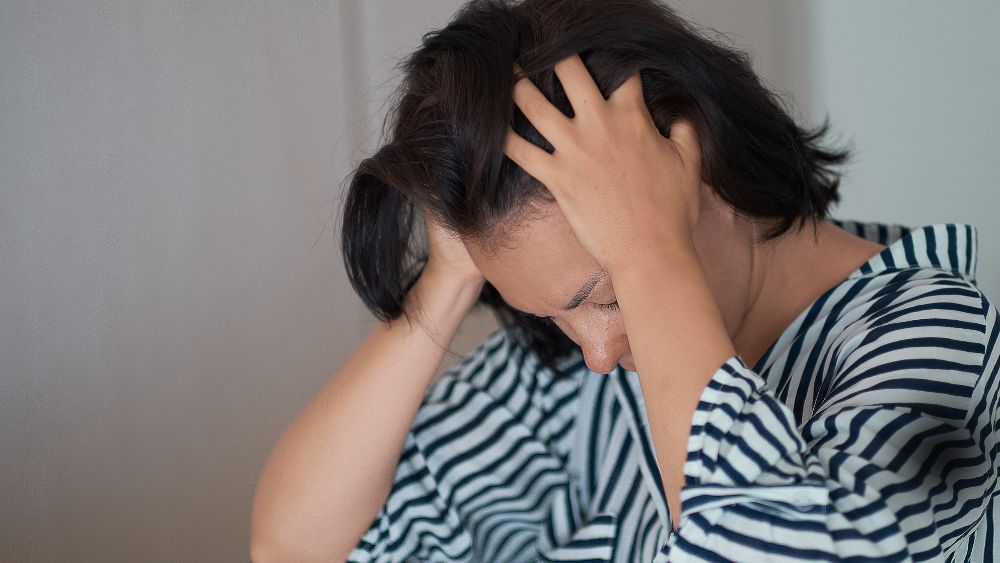
People who suffer from persistent anxiety may face:
- Continuous concern
- Racing thoughts
- Anxiety
- Tension in the muscles
- Anger
- Irritability
- Quick heartbeat
- Having trouble focusing
- Tremors
- Breathing problems
In fact, anxiety frequently becomes more intense at night when there are fewer distractions and more room for the mind to roam. Sometimes we need treatment for the best possible recovery, and you may get anxiety spectrum disorder treatment in Siliguri or near you.
Connection Between Anxiety & Sleep: An Overview
Anxiety and sleep are tightly related, as lack of sleep worsens mood and anxiety. On the other hand, anxiety makes it more difficult to fall asleep, which leads to an annoying cycle.
Having Trouble Falling Asleep
Your body enters a state of relaxation when you lie down to sleep. Muscles relax, respiration deepens, and heart rate decreases. But anxiety maintains a fight-or-flight response in your neurological system.
Having racing thoughts is a major challenge. You may picture worst-case scenarios, relive discussions, or worry about what might happen in the future with excessive anxiety. That way, this becomes an ongoing loop.
Frequent Nighttime Awakenings
Anxious people may wake up repeatedly even if they fall asleep. It keeps your body in an elevated attentiveness, or hyperarousal, causing:
- Poor sleep quality
- Unexpected awakening
- Sweats at night
- Quick heartbeat as you wake up
Restorative rest is challenging with anxiety.
Early Morning Waking
Many people who suffer from anxiety wake up much earlier than they had planned. Plus, they are unable to go back to sleep. Anxiety in the morning comes with a sudden surge of concern about the next day.
Lack of Sleep
One of the main causes of sleeplessness is persistent anxiety, which may include:
- Having trouble falling asleep
- Getting up too early
- Lack of restorative sleep
How Poor Sleep Worsens Anxiety: Overview
Poor sleep or sleep deprivation affects emotional regulation-related brain regions. When you're sleep deprived:
- The brain's fear region, the amygdala, becomes hyperactive
- The prefrontal cortex, which is in charge of rational thought, loses its effectiveness
- Cortisol and other stress chemicals rise
Thus, minor issues seem overwhelming, emotional responses become more intense, and anxiety symptoms worsen.
After several nights of poor sleep, you may notice symptoms like:
- An increase in irritation
- High susceptibility to stress
- Having difficulty making judgments
- Poor capacity for coping
The anxiety-sleep cycle is responsible here.
How Anxiety Affects Daily Life Explained
Anxiety not only affects sleep at night but also troubles every aspect of day-to-day living.
Low Focus and Productivity
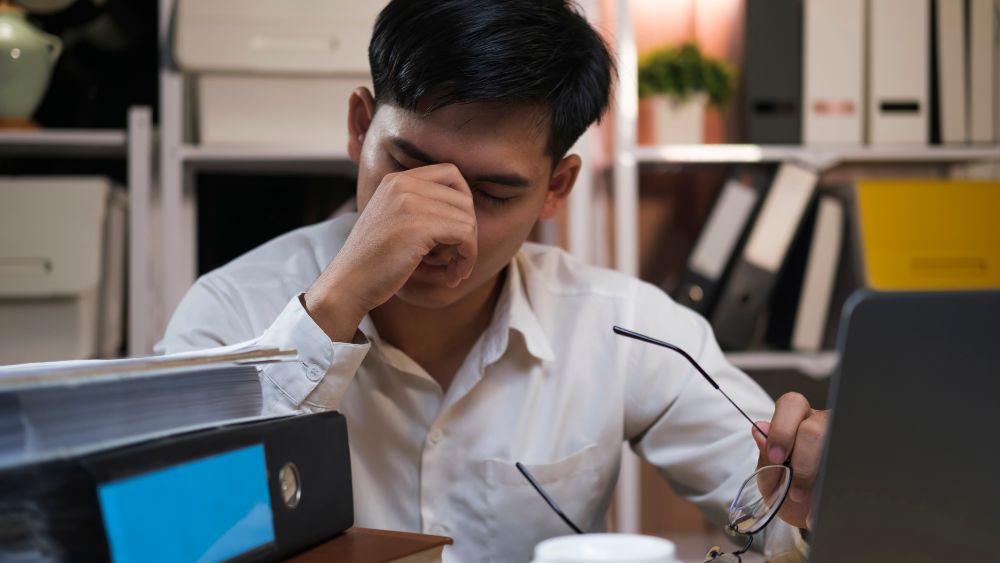
What-if scenarios are frequently the focus of an anxious mind. Common effects from employment or education include:
- Having trouble focusing
- Forgetting things
- Fear of failing causes procrastination
- Slower completion of tasks
Cognitive performance deteriorates more when someone has sleep deprivation.
Emotional Instability
Anxiety and sleep deprivation can cause emotional instability, in which you might notice:
- Variations in mood
- Low tolerance for frustration
- A rise in rage
- Regularly crying
Relationships may suffer, and feelings of loneliness may rise due to emotional tiredness.
Physical Health Effects
Stress reactions caused by persistent anxiety have an impact on every part of the body, and over time, this may lead to:
- Ongoing headaches
- Digestive problems
- Pain in the muscles
- Immune system weakness
- Elevated/ high blood pressure
These physical impacts worsen due to sleep deprivation, which increases inflammation and slows healing.
Social Withdrawal
Anxious people often avoid social situations, and isolation and cancellations may result from a fear of being judged, embarrassed, or rejected.
Socializing becomes considerably more taxing for them. In the short term, this withdrawal may lessen anxiety, but over time, it may cause low mood or depression and loneliness.
Decision-Making Challenges
Doubts may result from anxiety. It can be hard to make even small or easy decisions. Lack of sleep further inhibits one's ability to make decisions and solve problems.
This may lead to:
- Lack of decisiveness
- Avoiding significant obligations
- Overanalyzing small problems
- Missed opportunities can eventually lead to a rise in self-criticism and more anxious behaviors.
Physiological Mechanisms, Anxiety & Sleep Disruption
Knowing what occurs biologically can help explain why anxiety disrupts your sleep.
Hyperarousal
Your anxiety can trigger your sympathetic nervous system. Cortisol and adrenaline are released as a result, preparing your body for action, which in turn affects your sleep. The body doesn't relax at night; instead, it stays vigilant.
An Imbalance of Cortisol
Every day, cortisol levels are lower at night and higher in the morning, and this pattern is upset by chronic anxiety. This may cause:
- High cortisol levels at night
- Awakenings in the early morning
- Low deep slumber
- Tension in the Muscles
Unconscious muscle tension is often brought on by anxiety. This physical strain may cause discomfort that prevents you from unwinding and falling asleep.
Signs That Anxiety Is Affecting Your Sleep
If you observe any of the following, you may think that anxiety is preventing you from sleeping:
- Excessive thinking before bed
- Being physically uncomfortable in bed
- Fearing the night because of concerns
- Waking up with a pounding heart
- Feeling wired but exhausted
To stop the cycle, it's critical to identify these patterns and treat them.
Long-Term Problems Due to Untreated Anxiety and Sleep Problems
Long-term issues of anxiety-related sleep problems could include:
- Persistent sleeplessness
- Depression
- Exhaustion
- Weak immunity
- A higher chance of cardiovascular problems
- Low life quality overall
The pattern becomes more ingrained the longer it lasts.
Useful Tips to Enhance Your Sleep and Lower Anxiety
Treating both elements at the same time is necessary to break the cycle of anxiety and sleep.
Create a Regular Sleep Schedule
Did you know that the body's internal clock is better regulated when you go to bed and wake up at the same time every day? The brain interprets consistency as a sign of security and predictability.
Create a Wind-Down Routine
Before going to bed, spend 30 to 60 minutes doing relaxing things like:
- Reading
- Stretching gently
- Practicing meditation
- Playing relaxing music
Make sure you avoid emotionally heated conversations or demanding activities.
Limit Screen Time at Night
You must know that the hormone
e that promotes sleep, melatonin, is suppressed by blue light from electronics. News and social media can also make you feel more anxious. Make an effort to switch off screens at least one hour before you go to bed.
Use Relaxation Techniques
The nervous system will calm down by practicing progressive muscle relaxation, deep breathing, and guided imagery.
For instance:
- Take four calm breaths
- Hold for four counts
- Breathe out for six counts
- Continue doing this for a few minutes
Challenge Anxious Thoughts
You can relieve rumination at night via cognitive reframing. Consider this:
- Is this a realistic thought?
- What proof backs it up or refutes it?
- Can I take care of this tomorrow?
Stay Physically Active
Yes, exercise deepens your sleep and lowers anxiety. Avoid doing strenuous exercise right before bed, or otherwise, you’ll again have sleep disturbance.
Get Expert Assistance
Professional assistance can be transformative if lifestyle changes cannot help you relax your anxiety. Anxiety and sleeplessness can be effectively treated with therapy, especially cognitive behavioral therapy (CBT). You can see the best psychiatrist for anxiety in Siliguri or near you for expert care.
Build Healthy Daytime Habits to Support Sleep

- Early in the day, expose yourself to natural sunshine.
- Consume balanced meals.
- To relieve tension, take quick breaks.
- Throughout the day, cultivate mindfulness.
- Keep up your social ties.
You’ll notice that sleep becomes easier to achieve at night when your body and mind are in balance throughout the day.
When to Seek Immediate Help for Anxiety
While anxiety and sleep problems are common, some signs indicate that you need urgent support:
- Weeks of severe sleeplessness
- Self-harming thoughts
- Inability to perform at home or at work
Speaking with a medical expert or mental health specialist is vital in this case. Anxiety treatment in Siliguri is exclusive to your unique condition. Your psychiatrist will ensure a personalized treatment for optimal anxiety healing.
Frequently Asked Questions (FAQs)
1) Can anxiety cause insomnia?
Yes, anxiety is one of the leading causes of insomnia. It keeps your mind active and prevents your body from relaxing, making it difficult to sleep properly.
2) Why is anxiety worse at night?
At night, there are fewer distractions. This allows anxious thoughts to become louder, leading to overthinking and restlessness.
3) How can I calm anxiety before sleep?
You can calm anxiety by:
- Practicing deep breathing
- Avoiding screens
- Creating a relaxing bedtime routine
- Listening to calming music
4) When should I see a doctor?
You should consult a doctor if anxiety affects your daily life or if your sleep problems continue for several weeks.
Final Words
If you have anxiety or you notice such symptoms, wise to speak with a doctor; you can see your general psychiatrist. Or, you can directly visit a psychiatrist for a proper diagnosis and expert support. Reach out to your healthcare expert for safe and effective recovery.
Comments (0)

